Catalogue of Organic and Biodynamic Wines from Europe the UK and Canada
Welcome to the OrganicBioWines.eu. Independent and objective.
Whether the wines are produced organically or biodynamically, you will find comprehensive and up-to-date information on the subject here. Enjoy exploring.

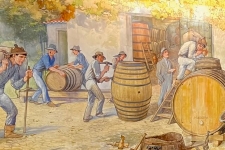
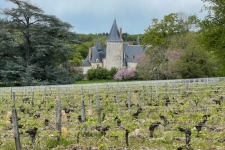
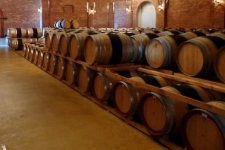
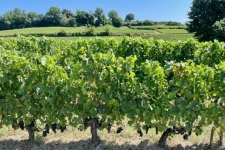

The website is a catalogue for wine enthusiasts and contains the most comprehensive and up-to-date information on certified organic and biodynamic wine producers in Europe and the United Kingdom. From seasoned wine connoisseurs to people discovering organic or biodynamic wine for the first time, from hospitality businesses seeking to make their wine lists more sustainable to private consumers wishing to buy more consciously: anyone interested in wine with a story and a clear provenance has come to the right place. All information has been compiled from hundreds of reliable, verified sources. The content is updated periodically, ensuring that readers always have access to the latest information.
Viticulture in the Benelux: Surprisingly Refreshing Wines
These countries may not be the first to spring to mind when thinking of wine production, but viticulture in Belgium, Luxembourg and the Netherlands has grown remarkably over recent decades. With officially recognised designations of origin under EU legislation, they are producing an increasing number of high-quality wines that are gaining international recognition.
Viticulture in the Benelux, together with winegrowing in Germany and the UK, demonstrates that modern techniques, grape varieties suited to cool climates (often PIWI varieties) and dedication can produce excellent wines even at northern latitudes. Climate change, problematic though it is, has contributed to longer growing seasons and riper grapes in this region.
Organic and biodynamic status: Officially certified organic viticulture in the Benelux is still relatively small, but is clearly on the rise. Thanks to its longer winemaking tradition and the EU framework, Luxembourg has the most established foundation, while growth in Belgium and the Netherlands is driven primarily by young estates that embrace sustainability from the outset. Biodynamic certification remains scarce and niche, but is well suited to producers who place terroir, soil life and small-scale production at the heart of their work.
Viticulture in Southern Europe: Sunshine, Drought and Centuries-Old Terroirs
The wine-producing countries of Southern Europe form the historic heart of European wine culture. From Portugal, Spain, France and Italy to Greece, Cyprus, Malta, Slovenia, Croatia, Hungary, Bulgaria and Romania, viticulture sometimes stretches back thousands of years. Yet this world, too, is changing rapidly: southern regions are seeking to preserve quality, freshness and biodiversity in an increasingly warm and dry climate.
Spain, Italy and France account for a large share of Europe's organic viticulture. Dry summers, abundant sunshine and extensive experience in vineyard management make organic cultivation promising, although every region requires a tailored approach. In Spain's dry interior, low disease pressure is an advantage; wetter areas require precise timing and careful soil management. Italy reflects this diversity, from Sicily and Mount Etna to Tuscany, Veneto and Piedmont.
Portugal and Greece add distinctive character of their own. Portugal has many indigenous varieties, often well adapted to drought and poor soils. In Greece, island and mountain regions combine varieties such as Assyrtiko, Xinomavro and Agiorgitiko with organic and biodynamic principles. Altitude, sea breezes and limestone-rich or volcanic soils preserve vibrancy and freshness; Cyprus and Malta showcase Mediterranean winegrowing with limited water and a strong local identity.
Further east, Southern European viticulture takes on a continental character. Croatia and Slovenia blend Mediterranean influences with Alpine and Karst landscapes; Hungary, Bulgaria and Romania are attracting renewed attention. Local varieties, family estates and natural, organic and biodynamic methods appeal to wine enthusiasts looking beyond the familiar names.
Adaptation is the common thread. Heat, drought, wildfire risk, erosion and water scarcity call for higher-altitude plots, canopy management that provides more shade, later pruning, ground cover, resistant varieties and economical water use. Organic and biodynamic winegrowing are well suited to this approach: they regard the vineyard as a living system of soil, biodiversity and place. In this way, Europe's oldest wine regions connect tradition with the future.
Organic and biodynamic status: Officially certified organic wine production is more developed in Southern European countries than anywhere else in Europe. Spain, France and Italy in particular lead internationally in terms of organic vineyard vineyard area, while Austria, Greece, Portugal and parts of South-Eastern Europe are also gaining ground. Biodynamic certification is less widespread than organic certification, but has a strong presence in prestigious regions; Demeter and related certification schemes serve there as markers of quality and provenance for producers wishing to go beyond statutory organic standards.
Viticulture in the Other European/EFTA Countries: Alps, Fjords and Volcanic Frontiers
Anyone who associates European viticulture primarily with France, Italy or Spain is missing a fascinating world along the continent's northern and Alpine fringes. The other European/EFTA countries — Switzerland, Liechtenstein, Norway and Iceland — do not constitute a major wine region, but they do form a laboratory for cool-climate viticulture, each with its own approach to agriculture, origin protection and production.
Switzerland is by far the most important wine-producing country in this group. From Lake Geneva to Valais and Ticino, the country offers great variation in soil, altitude and microclimate. Chasselas, Pinot Noir, Gamay, Merlot and local varieties yield wines that are rarely exported in large quantities but are highly prized domestically. The mountainous terrain makes viticulture small-scale and labour-intensive; organic and biodynamic producers benefit from dry mountain winds and a strong sense of place.
Liechtenstein follows a similar pattern. The tiny state between Switzerland and Austria has a limited but historic wine industry around Vaduz, where shelter, the Föhn wind and ample sunshine are beneficial. Production is limited, but the wines can be remarkably good, particularly Pinot Noir and white varieties suited to a cool Alpine climate. Here, viticulture is also cultural heritage on a postage-stamp scale.
Norway and Iceland lie at the experimental frontier. In Norway, small vineyards are emerging along fjords and in southern regions, helped by long summer days, the reflection of light from the water and early-ripening PIWI varieties. Iceland is more extreme: commercial grape growing remains very limited, but greenhouses, sheltered cultivation and fruit wines show just how far the concept of 'northern viticulture' can stretch.
What unites these countries is innovation. Climate change is pushing viticulture northwards and to higher altitudes, but it also brings late frosts, extreme rainfall, periods of drought and new disease pressure. Organic and biodynamic producers therefore seek a balance between soil, plant, landscape and minimal intervention. Their scarce, local wines demonstrate how European viticulture is adapting.
Organic and biodynamic status: Among the other European/EFTA countries, the focus lies clearly on Switzerland, where certified organic and biodynamic producers occupy a recognisable place within quality wine production. In Liechtenstein, production is too limited to speak of a broad certified sector, while Norway and Iceland remain primarily experimental. Official certification there is more likely to be found among individual pioneers or within wider sustainability frameworks than as part of a mature winegrowing segment.
Viticulture in Canada: Cool Lakes, Valleys and New Frontiers
Canada is best known for its vast natural landscapes and harsh winters, but it has developed into a diverse cool-climate wine-producing country. The principal areas are in British Columbia and Ontario, with smaller but growing wine regions in Quebec and Nova Scotia. Lakes, coastal influences, valleys and sheltered slopes extend the growing season and moderate climatic extremes.
In Ontario, the Niagara Peninsula and the shores of Lake Erie form the centre of production. Riesling, Chardonnay, Pinot Noir and Cabernet Franc benefit from limestone-rich soils and the moderating influence of the Great Lakes. The province is also internationally renowned for icewine, made from grapes harvested while frozen on the vine. At the same time, the range of dry table wines offering freshness, vibrancy and a clear regional identity is growing.
British Columbia offers a different landscape. In the Okanagan and Similkameen valleys, dry summers, wide temperature variations and differences in altitude result in styles ranging from aromatic white wines to powerful reds. Pinot Gris, Riesling, Chardonnay, Pinot Noir, Syrah and Bordeaux varieties all grow alongside one another. Irrigation is often essential, making careful water management and protection against heat, drought and wildfires increasingly important.
Meanwhile, Quebec and Nova Scotia are pushing the northern and Atlantic frontiers. Quebec makes extensive use of winter-hardy and hybrid grape varieties, while Nova Scotia's oceanic influence and cool soils favour fresh white and sparkling wines. Small-scale projects are also emerging in other provinces. This diversity makes Canada a testing ground for frost protection, resistant varieties, careful canopy management and adaptation to short, unpredictable seasons.
Canadian viticulture combines innovation with vulnerability. Winter frosts, hail, wildfire smoke, drought and sudden rainfall can have a major impact on a harvest. Producers are therefore investing in soil health, biodiversity, efficient irrigation and energy-efficient cellars. Organic and biodynamic methods complement this search for resilience, but in humid areas they require extra attention to fungal disease pressure and, in cold regions, to the hardiness of the vines.
Organic and biodynamic status: In Canada, certified organic viticulture is a recognisable but still relatively small quality segment, particularly in British Columbia and Ontario. Organic claims are governed by Canada's national organic standards and require certification. Biodynamic viticulture is even more limited and is concentrated among a small number of pioneers with Demeter certification. Alongside these certification schemes, provincial sustainable winegrowling programmes are playing an increasingly important role, with a growing number of producers demonstrably working to improve soil health, water use, biodiversity and climate resilience.