Liechtenstein Wine Legislation – Official Wine-Growing Areas
1. Status of Viticulture in Liechtenstein
| Characteristic | Details |
|---|---|
| Total area | Approx. 25–30 hectares (of which 26 ha were registered in 2008) |
| Historical peak | 320 hectares (1871) – peak wine production |
| Winegrowers | More than 100 winegrowers in the country |
| Classification | AOC system (follows Swiss wine legislation through the Customs Treaty) |
2. Classification System (through the Customs Treaty with Switzerland)
| Designation | Level | Description | Requirement |
|---|---|---|---|
| AOC (Appellation d’Origine Contrôlée) | Highest | Protected designation of origin | 100% of grapes from the defined area; strict production rules |
| Country wine | Middle | Wines with a geographical indication | At least 85% of grapes from the region |
| Table wine | Basic | Wines without a geographical indication | No geographical restriction |
3. Official Wine-Growing Areas – Municipalities with Viticulture
| Municipality | Region | Particulars |
|---|---|---|
| Vaduz | Oberland | Capital and principal wine-growing area, with Herawingert (4 ha) and the Hofkellerei |
| Triesen | Oberland | Weinbauverein Triesen; traditional viticulture |
| Balzers | Oberland | Southernmost municipality; historic viticulture around Gutenberg Castle |
| Triesenberg | Oberland | Highest vineyard at 850 m (Walser village); experimental Léon Millot |
| Schaan | Oberland | Duxer and Bardella vineyards (2.6 ha); Weinbauverein Schaan |
| Eschen | Unterland | Winzer am Eschnerberg; traditional winemaking |
| Gamprin-Bendern | Unterland | Small-scale viticulture on the slopes of the Rhine Valley |
| Schellenberg | Unterland | Historic viticulture; Unterland area |
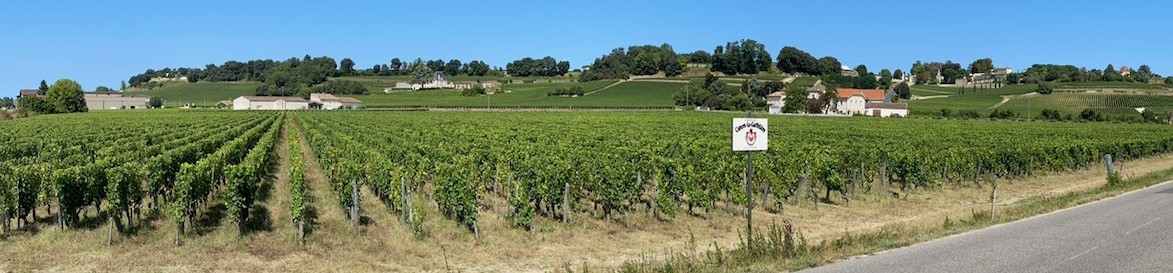
All vineyards are situated on the south-facing slopes of the Rhine Valley and benefit from the foehn (a warm, dry wind).
4. Principal Vineyards (Single-Site Vineyards)
| Vineyard | Municipality | Characteristics |
|---|---|---|
| Herawingert | Vaduz | 4 ha; Liechtenstein’s principal vineyard; owned by the Princely House since 1712; organically certified |
| Duxer | Schaan | Part of Weinbauverein Schaan’s 2.6 ha |
| Bardella | Schaan | Part of Weinbauverein Schaan’s 2.6 ha |
| St. Mamerten | Triesen | Historic site; Weinbauverein Triesen events |
| Eschnerberg | Eschen | Winzer am Eschnerberg; Unterland area |
5. Principal Producers
| Producer | Location | Particulars |
|---|---|---|
| Hofkellerei des Fürsten von Liechtenstein | Vaduz | Princely wine cellars, established in 1436; Herawingert (4 ha); also a vineyard in Wilfersdorf (Austria) |
| Weinbauverein Triesen | Triesen | Co-operative association of winegrowers in Triesen |
| Weinbauverein Schaan | Schaan | Manages the Duxer and Bardella vineyards (2.6 ha) |
| Weinbau Göpf + Silvy Bettschen-Schädler | Triesenberg | Family business; Blauburgunder, Weissburgunder and rosé |
| Winzer am Eschnerberg | Eschen | Unterland producers; revival of a historic tradition |
| Uwe Hoop | Eschen | Winemaking for other producers |
6. Grape Varieties
Red grapes
| Grape variety | Colour | Characteristics |
|---|---|---|
| Blauburgunder (Pinot Noir) | Red | Principal grape variety; elegant, medium-bodied red wines |
| Zweigelt | Red | Austrian crossing; Zweigelt Selektion Karlsberg Profundo |
| Blaufränkisch | Red | Full-bodied red wines |
| Léon Millot | Red | French hybrid; grown experimentally in Triesenberg (850 m) |
White grapes
| Grape variety | Colour | Characteristics |
|---|---|---|
| Chardonnay | White | Elegant white wines; Herawingert |
| Riesling x Sylvaner (Müller-Thurgau) | White | Aromatic white wines |
| Gewürztraminer | White | Aromatic, spicy wines |
| Ruländer (Pinot Gris) | White | Full-bodied white wines |
| Weissburgunder (Pinot Blanc) | White | Elegant dry white wines |
| Rijnriesling | White | FL Premier Brut sparkling wine |
7. Terroir and Climate
| Characteristic | Details |
|---|---|
| Climate | Continental climate with Alpine influences |
| Sunshine | An average of 1,500 hours of sunshine per year |
| Foehn | Warm, dry wind during the summer months, which has a sweetening effect on the grapes |
| Soils | Calcareous (limestone) and slate soils |
| Aspect | South-west-facing slopes along the Rhine Valley |
| Altitude | From 200 m (Rhine Valley) to 850 m (Triesenberg) above sea level |
| Microclimate | Dramatic daily temperature fluctuations caused by cold air from Central Europe |
| Effect | Slow ripening, preserved acidity and concentrated flavours |
8. Regulation – Wine Quality Ordinance (WQV)
| Aspect | Details |
|---|---|
| Legislation | Wine Quality Ordinance (WQV) – fully revised in April 2023 |
| Customs union | Customs Treaty with Switzerland – Liechtenstein follows Swiss wine legislation |
| AOC system | Appellation d’Origine Contrôlée, equivalent to the EU protected system |
| Origin | AOC wines: 100% of grapes from Liechtenstein |
| Quality control | Official government wine quality certification |
| Best-known AOC | Pinot Noir AOC Vaduz – the principal protected designation of origin |
| EU relationship | Liechtenstein is an EEA member and forms part of the European wine quality system |
| Exports | Primarily local consumption and exports to Switzerland and Austria |
9. Historical Context
| Period | Event |
|---|---|
| Approx. 2,000 years ago | Viticulture introduced by a Celtic tribe and expanded during the Roman period |
| 4th century | Vineyards re-established by Christian monks after the Roman withdrawal |
| 742-814 | Under Charlemagne: municipalities and monasteries owned their own vineyards |
| 1436 | The Princely House of Liechtenstein began winegrowing |
| 1712 | Prince Johann Adam I acquired the Herawingert vineyard in Vaduz |
| 1871 | Peak: 320 hectares under wine production |
| Late 19th century | Wine was one of the two principal exports (alongside livestock) |
| After 1871 | Decline following the opening of the Arlberg railway and increased foreign competition |
| Early 20th century | Poor harvests and pests caused the collapse of the wine industry |
| 1970s | Revival of viticulture, with a focus on quality rather than quantity |